Anthropic Doubles Funding Target to $20 Billion at $350 Billion Valuation

SAN FRANCISCO: Anthropic, the artificial intelligence startup behind Claude chatbot, has doubled its fundraising target to twenty billion dollars following overwhelming investor demand, according to reports Tuesday. The round values the San Francisco company at three hundred fifty billion dollars, nearly doubling its one hundred eighty-three billion dollar valuation from a September raise just four months earlier.

The Claude maker originally sought ten billion dollars but expanded the target after investor interest surged, the Financial Times reported. Coatue Management and Singapore sovereign wealth fund GIC are leading the financing, with Sequoia Capital also participating. The round closed between ten and fifteen billion dollars and could rise further if Microsoft and Nvidia contribute their previously announced investments.

Anthropic CEO Dario Amodei told a leading news channel earlier this month the company generated close to ten billion dollars in revenue last year, fueled partly by Claude Code’s explosive popularity. The coding automation tool has won developer loyalty as companies race to deploy AI across software development workflows.

The startup raised thirteen billion dollars last September and secured separate strategic commitments of up to fifteen billion dollars combined from Nvidia and Microsoft.

The massive valuation surge reflects intensifying competition in foundational AI, where Anthropic battles OpenAI, Google, and others for market leadership. OpenAI separately pursues up to one hundred billion dollars at valuations approaching eight hundred thirty billion dollars. Industry observers note AI startups collectively raised a record one hundred fifty billion dollars in twenty twenty-five, surpassing twenty twenty-one’s previous peak of ninety-two billion dollars.

Anthropic has hired lawyers as it prepares for a potential initial public offering that could arrive later this year. Founded in twenty twenty-one by former OpenAI executives including Dario Amodei, the company launched three new Claude models late last year spanning Sonnet, Haiku, and Opus variants. Amazon, an existing investor, has committed billions to the startup as tech giants jostle to secure access to cutting-edge AI capabilities.

Google Adds AI Image Editing and Auto-Browsing to Chrome

California: Google rolled out sweeping artificial intelligence upgrades to Chrome Wednesday, embedding autonomous browsing capabilities and on-demand image editing directly into the world’s dominant web browser. The updates center on Gemini integration, introducing a persistent sidebar that executes multi-step tasks without leaving the browser window.

Auto Browse functionality enables Chrome to complete complex web tasks like filling PDFs, renewing driver licenses, researching trips, and booking reservations. The feature requires either Google AI Pro at nineteen ninety-nine monthly or AI Ultra at two forty-nine ninety-nine monthly. Chrome holds roughly sixty-five percent of North America’s desktop browser market, giving the rollout massive reach.

The new Gemini sidebar taps Personal Intelligence, remembering past conversations and accessing data from Gmail, Google Photos, Calendar, and other connected apps. Users can set preferences once rather than repeating instructions across sessions. A feature called Nano Banana delivers image generation and editing through the side panel, allowing transformations without uploading files.

Google Chrome Vice President Parisa Tabriz described the updates as “helping users handle digital tasks more efficiently”. The moves arrive as Chrome faces mounting competition from AI-native browsers like OpenAI’s Atlas, launched in October and initially triggering a two percent drop in Alphabet shares.

Enterprise versions include Google Workspace integrations with data controls rolling out to businesses soon. Mobile implementations give Android users power button access while iOS receives tab-aware queries. All features remain optional, preserving user control over data and the ability to delete history. The updates represent Chrome’s most significant AI integration since Gemini features first appeared in September.

UK Puts Brakes on Google’s AI Use of News Content

LONDON: Britain’s competition regulator delivered a landmark ruling Wednesday requiring Google to grant news publishers control over how their content fuels artificial intelligence systems. The Competition and Markets Authority announced Google must allow websites to opt out of having their material scraped for AI Overviews without harming their search rankings.

The decision targets Google’s dominance in UK online search, where the company commands over ninety percent of queries. Publishers have reported sharp traffic declines since AI Overviews began displaying summaries atop search results, with global referrals to news sites dropping thirty-three percent according to Chartbeat data tracking more than twenty-five hundred outlets.

Under the proposed framework, publishers could block their content from powering AI-generated summaries or training standalone models like Gemini. Google must also properly attribute sources in AI results and increase transparency about how content gets used. The authority designated Google with strategic market status in October following a nine-month investigation.

CMA Chief Executive Sarah Cardell emphasized the measures would provide publishers, particularly news organizations, a fairer arrangement over content usage. The regulator also proposed requiring choice screens on Android devices and Chrome browser to ease switching default search engines, plus rules ensuring Google ranks results fairly without favoring business partners.

Google responded cautiously, stating it was exploring opt-out updates but warning that new controls must avoid creating a fragmented user experience. The company maintains AI Overviews help people discover content more efficiently. The consultation period runs through February twenty-fifth, with final decisions expected by March eighteenth when ministers determine the government’s approach.

Astrotalk Logs 85% Revenue Growth in FY25 Amid Strong Demand

New Delhi: Astrology and spiritual wellness platform Astrotalk reported a sharp jump in its financial performance in FY25, driven by higher user activity and stronger monetisation across its app-based services. The company’s total income rose 85 per cent year-on-year to Rs 1,214 crore, compared with Rs 656 crore in the previous financial year.

Revenue from core operations reached Rs 1,176 crore, supported by growing demand for paid astrology consultations. Platform usage remained strongest in Tier-I cities, where user engagement and repeat consultations continued to be high.

To support its expanding user base and ensure consistent service quality, Astrotalk increased spending across marketing, technology, operations, and customer experience. Total expenses climbed to Rs 1,129 crore in FY25, up from Rs 542 crore a year earlier, mainly due to team expansion and higher operational scale.

The company’s financials were impacted by certain one-time and non-cash items during the year. These included an exceptional employee-related expense of around Rs 120 crore and a non-cash mark-to-market adjustment of approximately Rs 80 crore following the adoption of Ind-AS accounting standards. Excluding these factors, Astrotalk reported a profit before tax of Rs 285 crore, up from Rs 127 crore in FY24.

Commenting on the performance, Anmol Jain, Co-founder and CBO, Astrotalk, said, “FY25 saw strong revenue growth driven by deeper engagement, repeat usage, and better monetisation, while investments in technology and people were made with a long-term view.”

User engagement on the platform increased 27 per cent year-on-year. Meanwhile, the company’s ecommerce arm, Astrotalk Store, generated over Rs 140 crore in CY25, within a year of launch.

Astrotalk is backed by Left Lane Capital and Elev8 Venture Partners.

The Guild Secures $20.5M to Push Reusable Rockets From India

New Delhi: Bengaluru-based spacetech startup ‘The Guild’, earlier known as EtherealX, has raised $20.5 million in a Series A funding round, marking a major milestone in its journey to build a fully reusable launch vehicle.

The round was co-led by TDK Ventures and BIG Capital, with backing from investors such as Accel, Prosus, YourNest, Campus Fund, BlueHill, and Riceberg.

Following the funding, the company’s valuation has jumped sharply to $80.5 million, a significant increase from its previous level. The fresh capital will be used to speed up the development and flight readiness of its flagship rocket, Razor Crest Mk-1, which is being designed for missions to low Earth orbit and geosynchronous transfer orbit.

The company aims to reduce launch costs dramatically by building a rocket where both stages are designed to return safely and be reused. This approach goes beyond current systems that typically recover only the first stage, and could help lower the cost of accessing space on a global scale.

Commenting on the funding, Manu Nair, Co-Founder and CEO of The Guild, said, “Securing the backing of a strategic partner like TDK Ventures validates our vision to rearchitect today’s unipolar access to space into a truly multipolar frontier.”

As part of its progress, The Guild has developed two in-house rocket engines and is now preparing for extensive testing. It is also expanding its infrastructure in South India, with facilities in Tamil Nadu and Andhra Pradesh to support engine testing, manufacturing, and flight qualification.

The company believes this investment will help it move faster toward making reusable space launch systems a practical reality.

LEAKED! Google Accidentally Spills the Beans on Aluminium OS

Bengaluru: Google’s long-rumoured Aluminium OS has surfaced earlier than planned, thanks to an accidental leak. A publicly visible bug report on Google’s Issue Tracker briefly revealed screen recordings of the unreleased Android-ChromeOS hybrid running on an HP Elite Dragonfly 13.5 Chromebook, offering the first real glimpse of Google’s next desktop platform.

The report, spotted by 9to5Google, included two videos showing a system labeled with an ALOS build, confirming Aluminium OS as the internal name. Although Google quickly restricted access, not before the footage was saved and key details verified. The leak strongly suggests Google is testing the new OS on existing ChromeOS hardware.

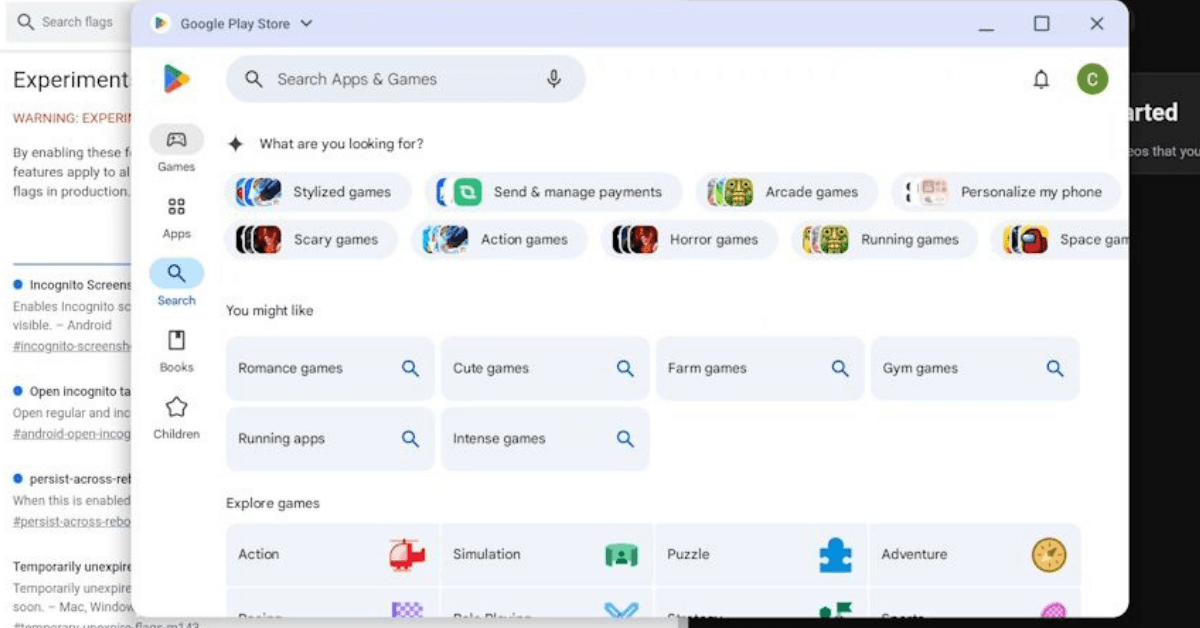
What’s visible in the videos is a true blend of both worlds. The interface combines ChromeOS’s taskbar-style layout with Android-inspired design choices, including a centered start button and a top status bar showing familiar Android icons. The presence of the Play Store points to full Android app support, while smooth split-screen multitasking hints at a desktop-first experience.

Google has previously hinted at merging its platforms, with Android leadership signaling more clarity around its PC strategy in 2026. This leak effectively moves that conversation forward. Strategically, Aluminium OS aims to unite ChromeOS’s simplicity with Android’s vast app ecosystem, potentially addressing both platforms’ long-standing limitations.

Still, many questions remain unanswered, from app optimisation to upgrade paths for existing Chromebooks. While the software appears functional, it’s clearly unfinished. The leak may have been accidental, but it puts Aluminium OS firmly on the radar, and raises expectations for Google’s next big OS move.

Help Me Edit: Just Talk or Type, Google Photos Does the Editing!

New Delhi: Google has started expanding its AI-powered photo editing tools in Google Photos to more countries, including India, Australia, and Japan. The update allows people to edit photos by simply describing what they want to change using text or voice, instead of manually adjusting editing tools.

The feature appears as a ‘Help me edit’ option inside Google Photos. Users can choose from suggested prompts or type their own instructions in plain language. For example, they can ask the app to remove objects from the background, reduce blur, fix lighting, restore old photos, or improve colours. Multiple edits can also be combined in a single request.

Google says the AI can handle detailed and personalised changes as well. Users can ask it to remove sunglasses, open someone’s eyes in a group photo, adjust facial expressions, or edit a person’s pose. The system uses Nano Banana, Google’s image-generation model, to carry out these changes. Importantly, the actual editing happens directly on the device and does not require an internet connection.

The AI editing feature is not limited to Pixel phones. It works on any Android device with at least 4GB RAM running Android 8.0 or newer, making it available to a much wider user base. Along with the rollout, Google has added support for several Indian languages, including Hindi, Tamil, Telugu, Marathi, Bengali, and Gujarati, helping users interact with the tool in their preferred language.

Google is also introducing C2PA content credentials in Google Photos. This metadata helps indicate whether an image has been edited using AI, offering more transparency as AI-modified images become more common online.

The expansion reflects Google’s broader effort to embed AI across Google Photos. Over the past year, the company has introduced AI-based search, creative photo styles, and meme-generation tools, signalling a strong push toward making photo editing more intuitive and accessible.

OpenAI Rolls Out ChatGPT Prism to Simplify Scientific Writing, Research Workflows

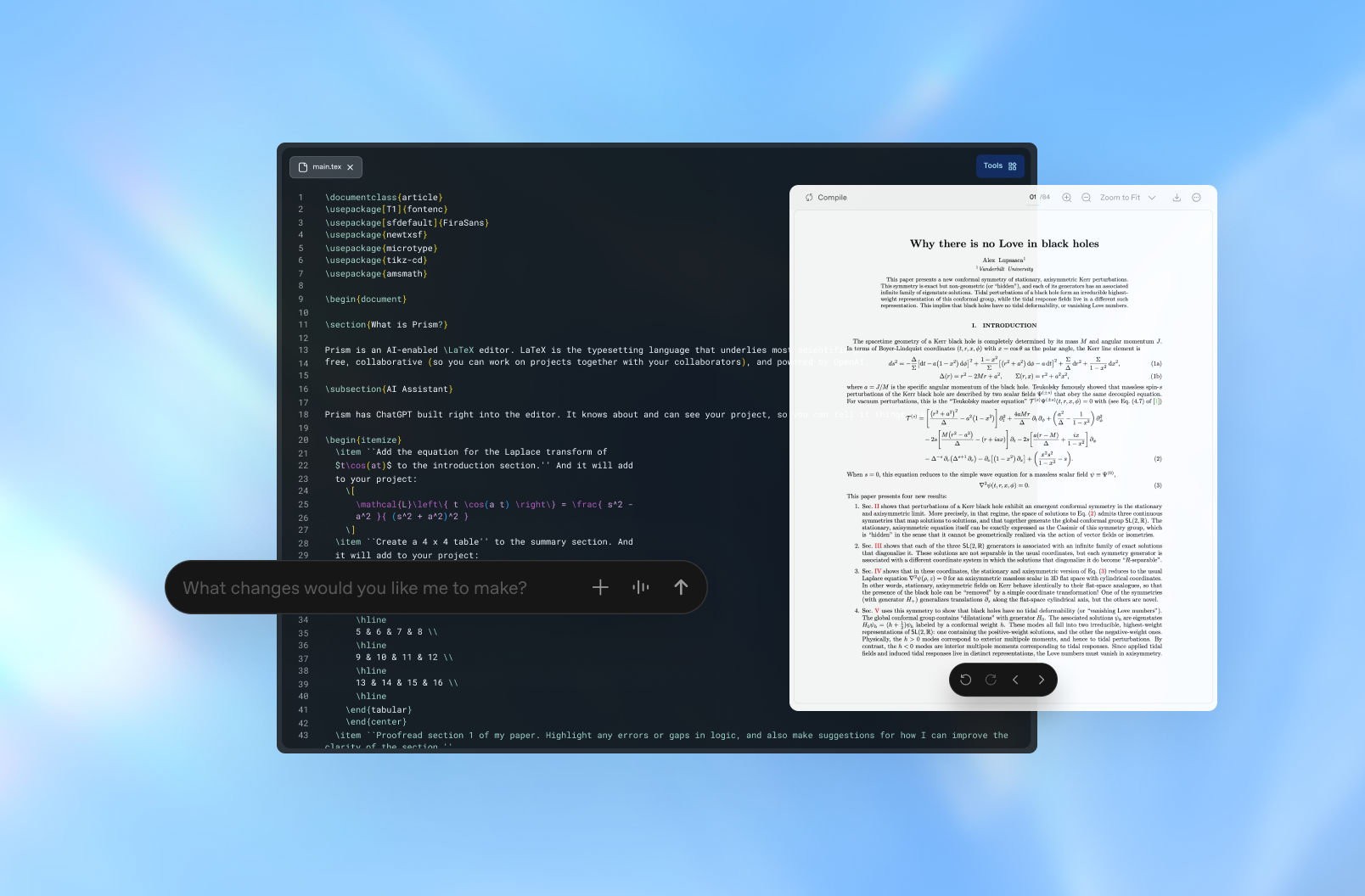
New Delhi: With a belief that daily research tasks are still slowed down by fragmented tools, OpenAI has launched ChatGPT Prism, a new AI-powered workspace aimed at simplifying how researchers write, edit, and collaborate on scientific papers.

The tool brings together tasks that are usually spread across multiple platforms, such as document editors, LaTeX tools, PDFs, reference managers, and chat interfaces, into one integrated environment. ChatGPT Prism is designed to reduce the complexity of research workflows by embedding AI directly into the writing process. Instead of switching between tools, researchers can draft, revise, and collaborate within a single workspace.

OpenAI says the platform is available for free to users with a ChatGPT personal account, with no limits on the number of projects or collaborators. Access for Business, Enterprise, and Education users will be rolled out later.

The platform is cloud-based and LaTeX-native, meaning users can work on equations, citations, figures, and references without setting up local environments. The AI operates inside the document itself, allowing it to understand the structure of the paper and assist with rewriting sections, reasoning through equations, or fixing references in context.

Prism also includes context-aware literature search, helping researchers discover related studies while working on a manuscript. This allows users to refine arguments and update citations without leaving the document.

Collaboration is a core feature of the workspace. Multiple users can edit, comment, and review documents in real time, making it easier for teams across institutions to work together. Since everything runs in the cloud, contributors do not need to worry about software compatibility or LaTeX installations.

Additional features include AI-suggested in-place edits and optional voice-based editing, which can be useful during discussions or review sessions.

Yahoo Launches Scout AI Search Engine Powered by Claude and Bing

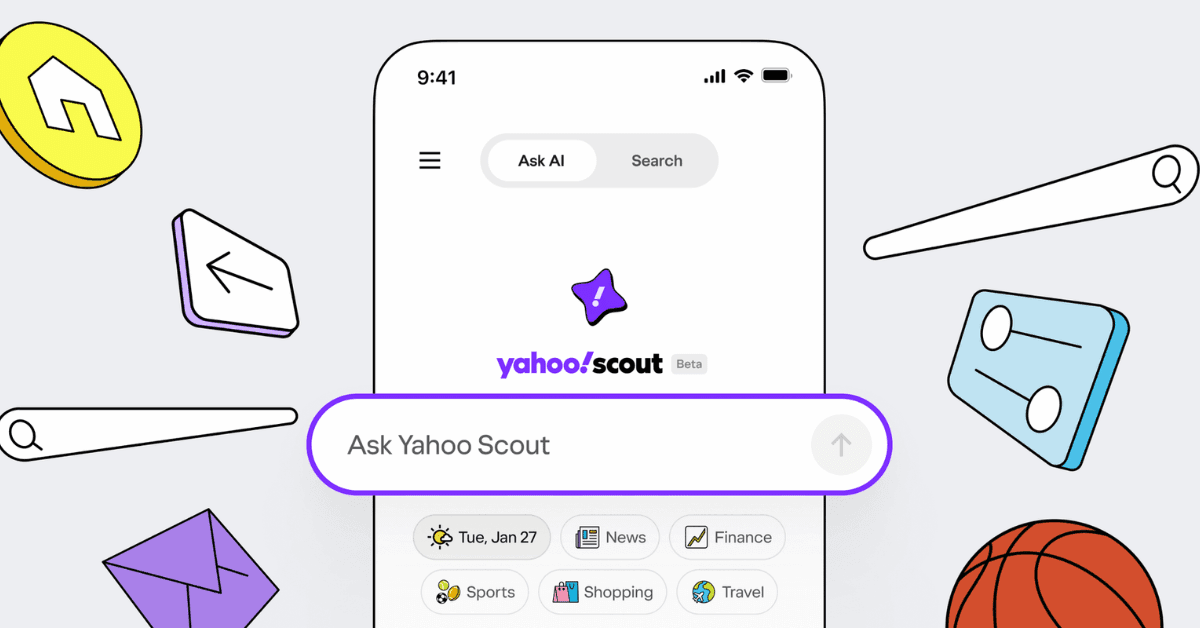
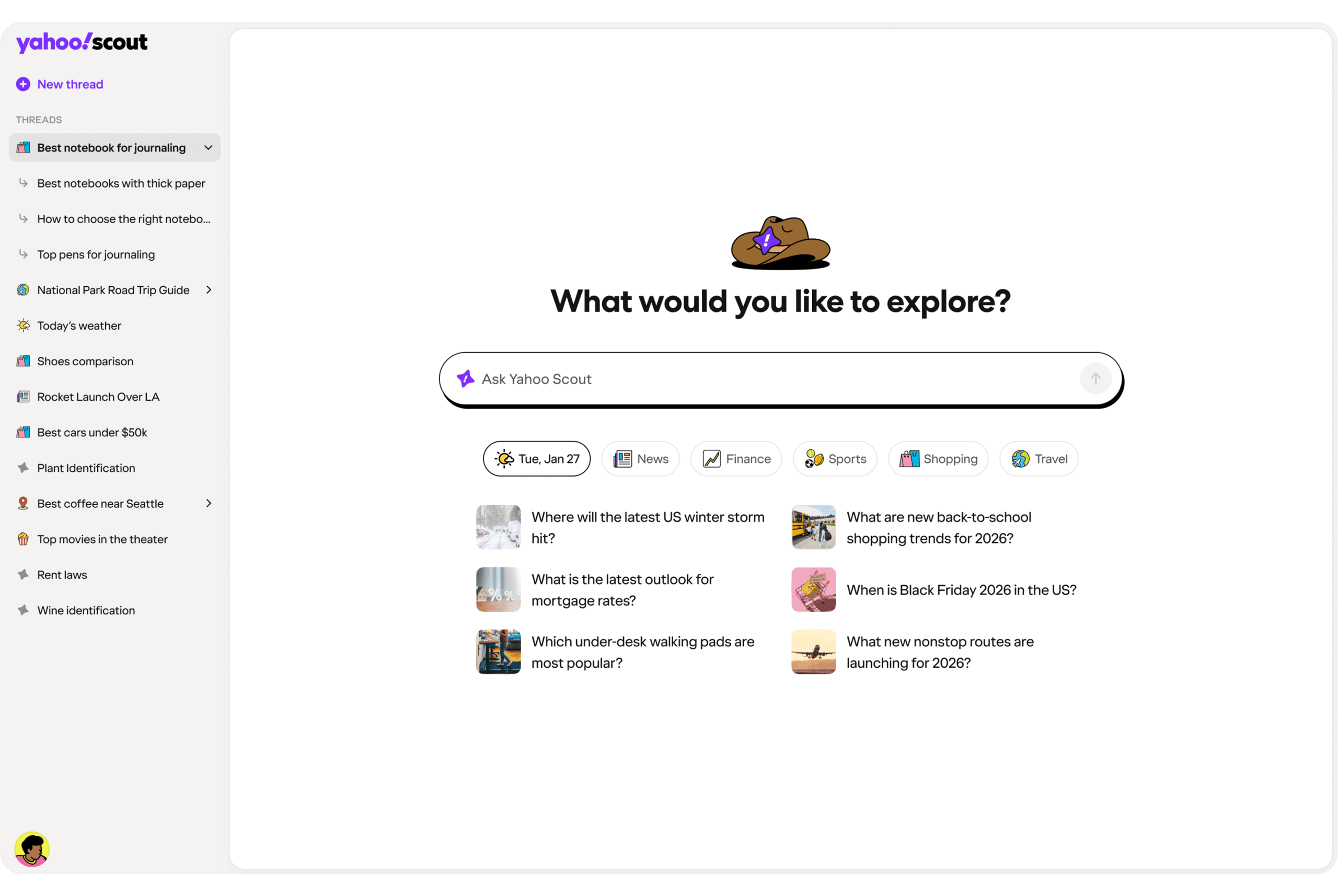
California: Yahoo debuted Scout on Monday, an artificial intelligence-powered answer engine that blends traditional web search with generative AI across its platform serving two hundred fifty million US users.

The beta product, built on Anthropic’s Claude model and Microsoft Bing’s grounding API, represents the internet pioneer’s most ambitious technology revival since its five billion dollar acquisition by Apollo Global Management in twenty twenty-one.

Scout synthesizes information from the open web alongside Yahoo’s proprietary data spanning five hundred million user profiles, a knowledge graph covering over one billion entities, and eighteen trillion annual consumer events.

The interface displays responses through interactive media, structured tables, and transparent source links designed to make information easier to verify and trust. CEO Jim Lanzone described the launch as a pivotal moment in what he called one of internet history’s biggest attempted turnarounds.

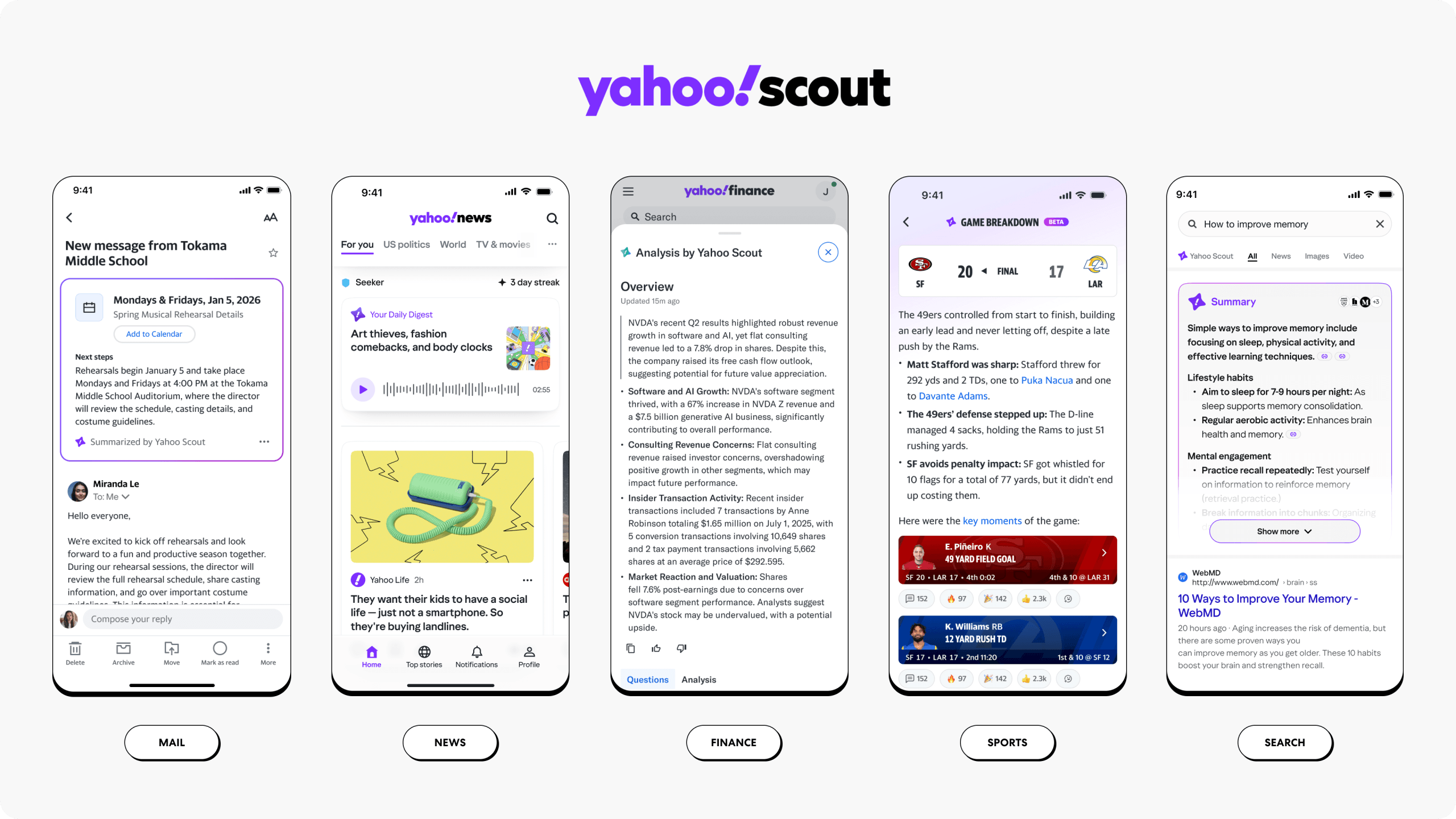
The answer engine integrates across Yahoo’s entire ecosystem including Mail, News, Finance, Sports, and Shopping. In Finance, Scout delivers one-click access to real-time company insights, analyst ratings, and earnings call summaries with headlines refreshing every ten minutes. The Shopping integration condenses hours of product research into seconds by distilling expert reviews and user discussions into comparison tables with shoppable links.

Yahoo partnered with Anthropic specifically for Claude’s speed, clarity, and safety capabilities while continuing its longstanding Microsoft relationship through Bing’s grounding API.

The company explicitly stated user data remains internal and does not train either Claude or Bing models. Yahoo also joined Microsoft’s Publisher Content Marketplace pilot, aiming to support sustainable revenue opportunities for content creators.

The launch positions Yahoo as the third-largest US search engine competing directly against Google’s AI Overviews and emerging rivals like OpenAI’s Atlas browser. Unlike pure chatbot interfaces, Scout maintains prominent links to original sources throughout responses, addressing publisher concerns about traffic loss from AI-generated summaries. Eric Feng, who previously founded Hulu’s technical team, leads development as SVP of Yahoo Research Group.

Scout is immediately available at Scout.Yahoo.com and through the Yahoo Search app on iOS and Android. The free service may eventually add premium tiers, though Lanzone emphasized the core business would remain advertising-supported as the company develops new formats for generative AI search advertising.

Swiggy Gets AI Power; Now Order Food Via GPT, Gemini

New Delhi: Food and grocery delivery platform Swiggy has introduced a new way for users to place orders by allowing them to shop directly through popular AI tools such as ChatGPT, Claude, and Google Gemini. With this move, users can order food, buy groceries, and even make dining reservations using conversational AI instead of navigating the Swiggy app.

The feature is powered by Swiggy’s integration of the Model Context Protocol (MCP) across its core services, including Swiggy Food, Instamart, and Dineout. MCP acts as a common connector that lets AI agents communicate smoothly with Swiggy’s systems, removing the need for separate, custom integrations for each AI platform.

Using this setup, AI agents can handle tasks that usually take several steps inside an app. For example, if a user asks an AI assistant to order ingredients for a specific dish, the system can search for products, compare choices, add items to the cart, apply available offers, confirm the delivery address, place the order, and track it, all through a single conversation.

At present, orders placed via AI tools are limited to cash on delivery (COD). Digital payment options are not yet available for these transactions.

Commenting on the launch, Madhusudhan Rao, chief technology officer at Swiggy, said, “Swiggy has always focused on solving for convenience at scale, and conversational commerce takes that a step further by allowing users to simply express what they want, when they want it, whether it is to book a table at their favourite restaurant or order drinks and snacks for a match-viewing party.”

Swiggy’s move follows similar experiments in the sector. Last year, Tata-owned BigBasket tested grocery ordering through ChatGPT using UPI Reserve Pay, which allows payments to be blocked and charged only after the order is completed.

The growing use of AI-powered commerce highlights how companies are rethinking everyday digital interactions by making them more natural and effortless.