Mozilla Forms Rebel Alliance to Challenge AI Giants

TORONTO: Mozilla announced plans to deploy its $1.4 billion reserves to build what President Mark Surman calls a “rebel alliance” challenging OpenAI and Anthropic’s dominance in artificial intelligence, according to the organization’s State of Mozilla report released January 27.

The nonprofit behind Firefox is assembling a coalition of startups, developers and public interest technologists committed to open and trustworthy AI alternatives. Mozilla Ventures, launched in 2022 with $35 million, has invested in over 55 companies including dozens of AI startups, with more deals planned for 2026.

Surman, operating from his farm outside Toronto, told a leading daily, “The effort channels Mozilla’s history disrupting Microsoft through open-source collaboration. Portfolio companies include Trail, a German AI governance firm; Transformer Lab, a Canadian open-source tool builder; and Oumi, an open model training platform.”

The initiative confronts formidable opposition. OpenAI reached a $500 billion valuation after October recapitalization confirming for-profit status. Anthropic CEO Dario Amodei reported revenue surging from $1 billion to $7 billion run rate in nine months. Both companies have raised tens of billions versus Mozilla’s comparatively modest reserves.

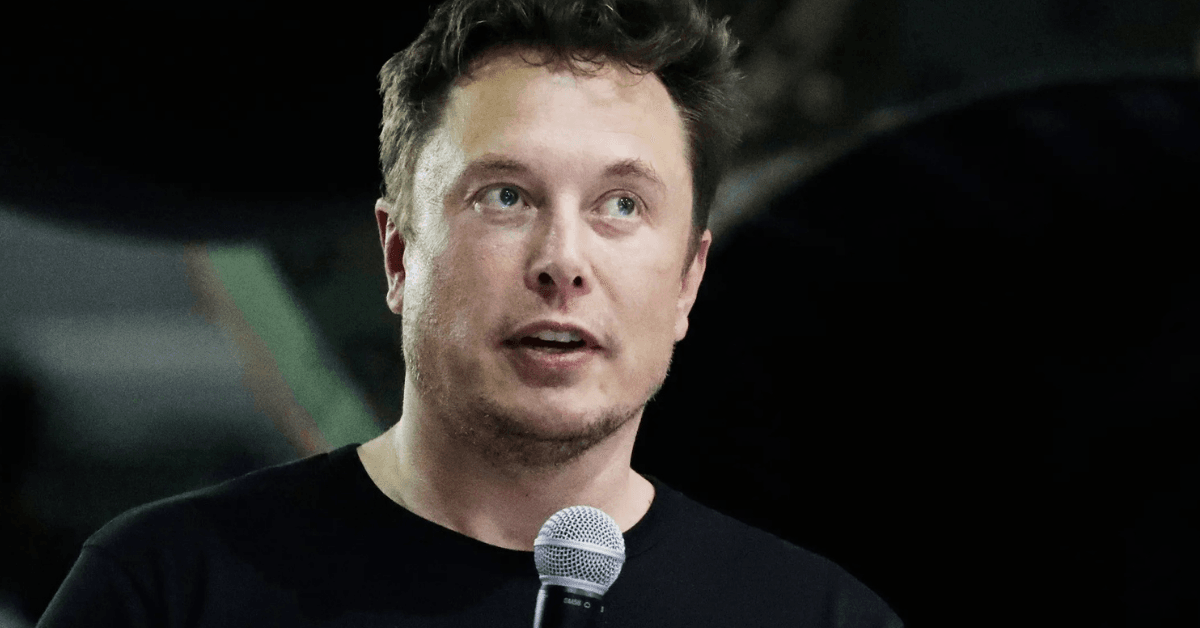
Critics note entry barriers exceeding $100 million plus intellectual property control challenges. Former OpenAI employees including Elon Musk, who left in 2018 and launched competitor xAI in 2023, have criticized growth prioritization over safety. Musk’s lawsuit alleging betrayal of founding ideals proceeds to April trial.

Mozilla targets transparency investments countering what Surman frames as winner-takes-all approaches. Chief AI Officer Theo Koukoumidis warned Big Tech contributions to open-source communities mask dominance objectives, stating they will “eat you if you’re not careful.”

The rebel alliance concept extends Mozilla’s 2024 terminology describing players who disrupted Microsoft’s web dominance. While keeping Firefox growth central, supporting the alliance represents “the heart of who Mozilla is today,” according to Tuesday’s report.

Surman remains confident Mozilla can “do for AI what we did for the web,” identifying market weak spots around safety, transparency and sustainability concerns for alternative approaches to exploit.

Google’s Project Genie Triggers Gaming Stock Selloff

MOUNTAIN VIEW: Google DeepMind launched Project Genie on January 29, sending video game stocks into sharp decline as investors assessed the implications of AI-generated interactive worlds for the gaming industry.

Unity Software plunged 24 percent, marking its worst single-day drop since 2022. Roblox fell 13 percent, while Take-Two Interactive and CD Projekt dropped 7.9 percent and 8.7 percent respectively. Mobile technology firm AppLovin declined 17 percent.

Project Genie, now available to Google AI Ultra subscribers in the United States, enables users to create and explore virtual worlds through text prompts and images. Powered by the Genie 3 world model alongside Nano Banana Pro and Gemini, the prototype generates navigable environments in real-time as users move through them, simulating physics and interactions across dynamic 3D spaces.

The tool supports multiple perspectives including first-person and third-person views, allows camera adjustments during exploration, and enables users to remix existing worlds. Created environments can be downloaded as videos. Current limitations include 60-second generation windows, occasional physics inconsistencies, and character control challenges.

Early testing revealed users could recreate recognizable game worlds, including approximations of Nintendo properties and Grand Theft Auto environments, raising immediate copyright concerns. The capability to generate interactive worlds from simple prompts sparked investor fears about potential disruption to traditional game development workflows and platforms.

Freedom Capital noted the rapid selloff reflected panic over AI’s potential to fundamentally alter game creation economics. Analysts suggested concerns centered on whether AI-generated worlds could diminish demand for professional game engines, development platforms, and established gaming franchises.

Google emphasized Project Genie remains an experimental research prototype in Labs, designed to advance understanding of world models across AI research and generative media applications. The company plans to expand access beyond US AI Ultra subscribers to additional territories.

The technology builds on Google DeepMind’s history developing agents for specific environments like Chess and Go, now extending toward systems capable of navigating real-world diversity as part of the company’s AGI mission.

OpenAI Retires GPT-4o Despite User Backlash Over Warmth

SAN FRANCISCO: OpenAI announced January 29 it will retire GPT-4o and several legacy models from ChatGPT on February 13, ending the popular model’s turbulent run despite persistent user loyalty to its conversational warmth.

The retirement includes GPT-4o, GPT-4.1, GPT-4.1 mini, OpenAI o4-mini, GPT-5 Instant and GPT-5 Thinking. API access remains unchanged. OpenAI reports only 0.1 percent of users select GPT-4o daily, with the vast majority migrating to GPT-5.2.

GPT-4o launched May 2024 and quickly gained devotees for its warm, natural tone. OpenAI attempted retirement in August 2025 after GPT-5’s debut but swiftly reversed following backlash from Plus and Pro subscribers who valued GPT-4o for creative ideation and preferred its conversational style. CEO Sam Altman pledged “plenty of notice” for any future retirement.

The company now claims GPT-5.2 replicates GPT-4o’s warmth through personality controls allowing users to adjust settings for enthusiasm and conciseness. OpenAI acknowledged studying GPT-4o usage patterns to inform GPT-5.1 and GPT-5.2 development, particularly regarding emotional nuance and writing quality.

User communities remain skeptical. Reddit discussions under hashtag KeepGPT4o captured sentiment, with one user stating retirement means “retirement of me using OpenAI”. Critics question usage statistics, noting GPT-4o’s reduced accessibility and automatic model selection push users toward defaults.

The decision comes weeks after Altman acknowledged during OpenAI’s first town hall that writing performance declined in GPT-5.2 as development prioritized coding, reasoning and mathematics. The company introduced personality customization features attempting to address concerns about perceived sterility in newer models.

OpenAI framed the consolidation as focusing resources on models handling majority workloads. Infrastructure costs project to $1.4 trillion by February 2026, requiring efficient token generation. The move supports planned ChatGPT Go ad-supported tier requiring operational cost reductions.

The company is developing Adult Mode addressing feedback that GPT-5.2 exercises excessive caution, allowing freer conversations for users over 18. API deprecations began November 2025 with chatgpt-4o-latest sunset scheduled February 17, following established precedent as GPT-4 retired from ChatGPT April 2025.

India Offers Zero Taxes Through 2047 to Attract Global AI Data Centers

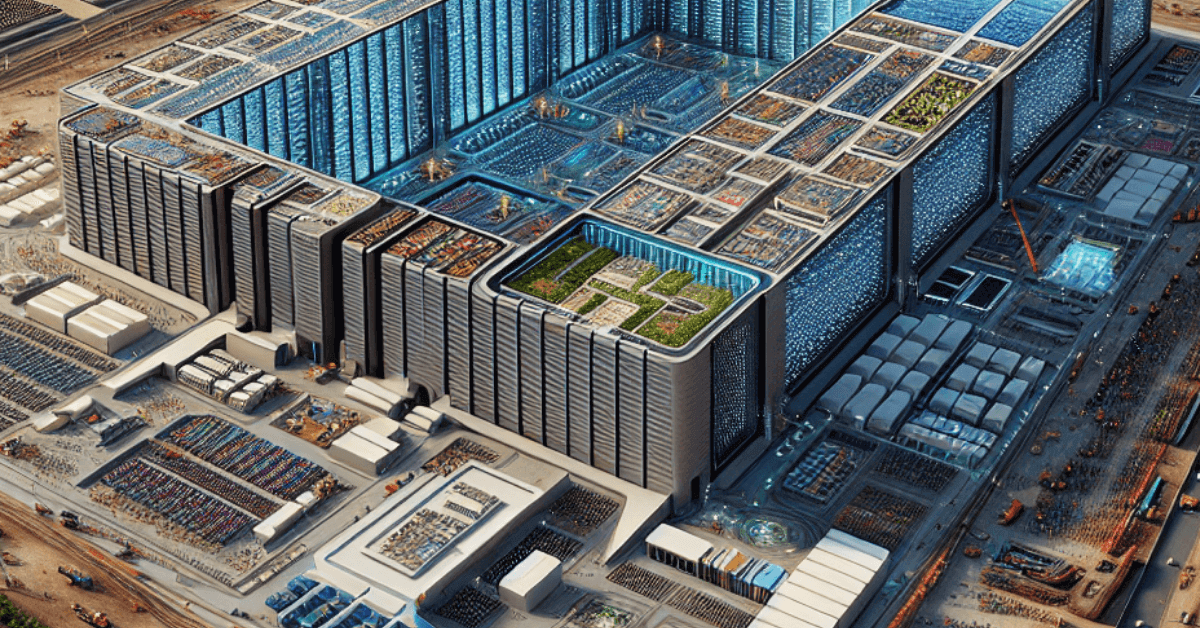
NEW DELHI: India announced Sunday it will offer foreign cloud providers zero taxes through 2047 on services sold outside the country if those workloads run from Indian data centers, in an aggressive bid to capture the next wave of artificial intelligence infrastructure investment.

Finance Minister Nirmala Sitharaman unveiled the tax holiday in India’s annual budget, targeting revenues from cloud services operated from Indian facilities but sold internationally. Services to domestic customers must be routed through locally incorporated resellers and taxed normally. The budget also proposes a fifteen-percent cost-plus safe harbor for Indian data center operators serving related foreign entities.

The announcement comes as Amazon, Google, and Microsoft race to expand AI computing capacity globally. Google committed fifteen billion dollars in October 2025 to build an AI hub in India, while Microsoft pledged seventeen-point-five billion dollars through 2029. Amazon plans to invest an additional thirty-five billion dollars by 2030, raising its total Indian commitment to seventy-five billion dollars.

India’s domestic sector is also expanding rapidly. Digital Connexion, backed by Reliance Industries and Brookfield Asset Management, announced an eleven-billion-dollar investment to develop a one-gigawatt AI data center campus in Andhra Pradesh. Adani Group plans to invest up to five billion dollars alongside Google.

However, power shortages, high electricity costs, and water scarcity pose significant challenges. India’s data center capacity is projected to grow from one gigawatt currently to over eight gigawatts by 2030, requiring more than thirty billion dollars in capital investment.

Deezer Licenses AI Music Detection Tool to Combat Streaming Fraud

PARIS: Music streaming platform Deezer announced Thursday it has licensed its artificial intelligence detection technology to France’s royalty agency Sacem in a landmark commercial deal, as the company pursues wider industry adoption to combat music fraud.

The agreement comes as AI-generated music uploads surge across streaming platforms, with Deezer now receiving approximately sixty-thousand fully AI-created tracks daily, representing thirty-nine percent of total uploads, up from ten percent in January last year. The company successfully identified and removed up to eighty-five percent of fraudulent AI-generated streams from its royalty pool in 2025, flagging over thirteen-point-four million AI tracks.

Deezer’s detection tool analyzes audio signals for patterns created by AI music generators such as Suno and Udio, identifying subtle anomalies inaudible to human ears. The system has been trained on ninety-four million songs and can detect AI-generated content with ninety-nine-point-eight percent accuracy, according to the company. Two patents for the technology were filed in 2024.

Once flagged, AI-generated tracks are excluded from algorithmic recommendations, demonetized, and removed from royalty pools. Deezer CEO Alexis Lanternier said the company has seen great interest from industry leaders who have completed successful tests. The company is now licensing the technology broadly, positioning it as shared industry infrastructure rather than competitive advantage.

However, Swedish royalty society Stim cautioned that detection tools address only part of the problem, advocating for mandatory licensing mechanisms and greater transparency regarding training data. According to a study by CISAC and PMP Strategy, nearly twenty-five percent of creators’ revenues could be at risk by 2028, potentially amounting to four billion euros.

Musk’s SpaceX Explores Merger with xAI or Tesla Ahead of Historic IPO

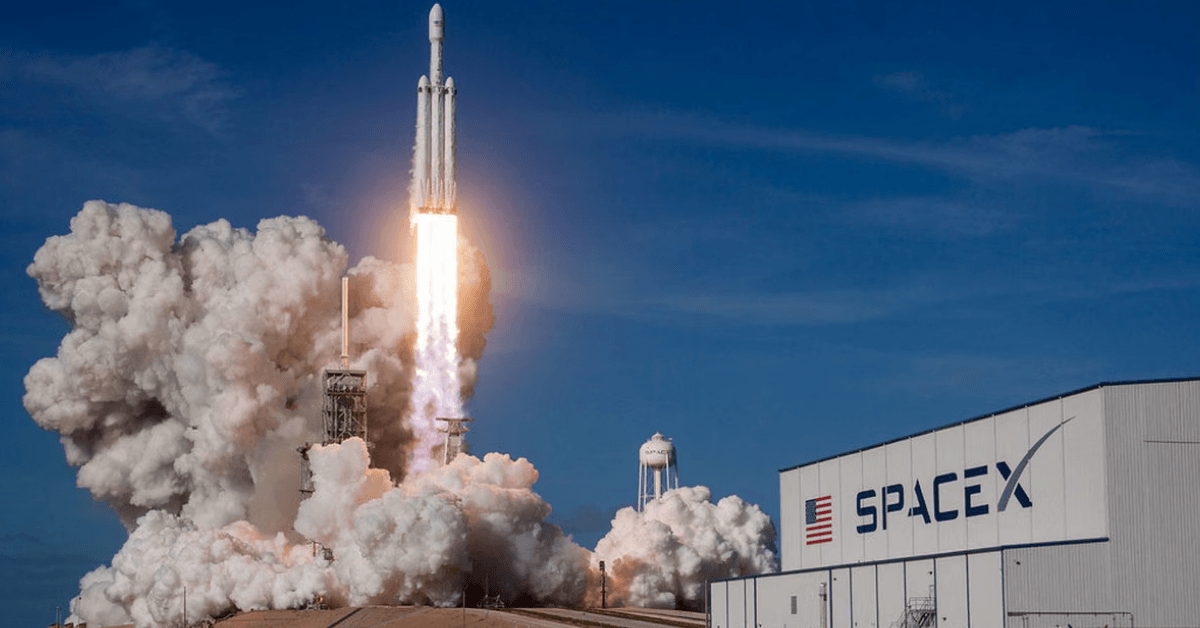
California: SpaceX is exploring potential mergers with either xAI or Tesla ahead of a planned initial public offering that could become the largest in history, according to reports Thursday.

The rocket manufacturer is in discussions to merge with Elon Musk’s artificial intelligence startup xAI before going public later this year, Reuters reported, citing sources and regulatory filings. Under the proposal, xAI shares would be exchanged for SpaceX stock. Separately, Bloomberg reported SpaceX is also considering a combination with Tesla.

An xAI and SpaceX merger would combine SpaceX’s rockets and Starlink satellites with the X social media platform and Grok AI chatbot, advancing Musk’s vision of launching orbital data centers for AI development. At Davos last week, Musk said space represents the lowest-cost location for AI infrastructure.

SpaceX is targeting a summer IPO that could value the company at one-point-five trillion dollars and raise fifty billion dollars. The company reached an eight-hundred-billion-dollar valuation in a recent private sale. XAI closed a twenty-billion-dollar Series E round earlier this month at a two-hundred-thirty-billion-dollar valuation.

No final decisions have been made, and the companies could remain separate. Tesla shares rose three to four-point-five percent in after-hours trading following the reports.

Airtel Gives Creators a Year of Adobe Express on the House

New Delhi: Adobe has teamed up with Bharti Airtel to make professional content creation more accessible for users across India. As part of the partnership, Airtel customers will get Adobe Express Premium free for one year, a subscription that usually costs close to Rs 4,000 annually. 

The offer is being rolled out as part of Airtel’s bundled digital benefits and will be available to millions of users.

Adobe Express is built for people who want to create high-quality designs without using complex design software. The platform allows users to quickly make social media posts, videos, posters, presentations, flyers, and other visual content using ready-made templates and AI-powered tools. With minimal effort, users can create content that looks polished and professional.

The move comes at a time when content creation is no longer limited to designers or agencies. Students, freelancers, small business owners, and independent creators increasingly rely on digital platforms to promote themselves and reach audiences.

Easy-to-use design tools powered by artificial intelligence are becoming essential, and Adobe Express is positioned as a simple solution for everyday users.

The free Adobe Express Premium offer is available to Airtel prepaid and postpaid mobile users, Airtel Xstream fibre broadband customers, and Airtel Digital TV subscribers. Once activated, the subscription remains valid for 12 months.

Premium users will get access to 250 generative AI credits per month, a large collection of premium image and video templates, over 200 million Adobe Stock photos and videos, and more than 30,000 fonts. Additional features include video background removal, bulk resizing for different social platforms, and up to 100 GB of cloud storage.

With this partnership, Airtel and Adobe aim to support India’s fast-growing creator economy by lowering the barrier to high-quality digital content creation.

Apple Acquires Israeli AI Startup Q.ai for Nearly $2 Billion

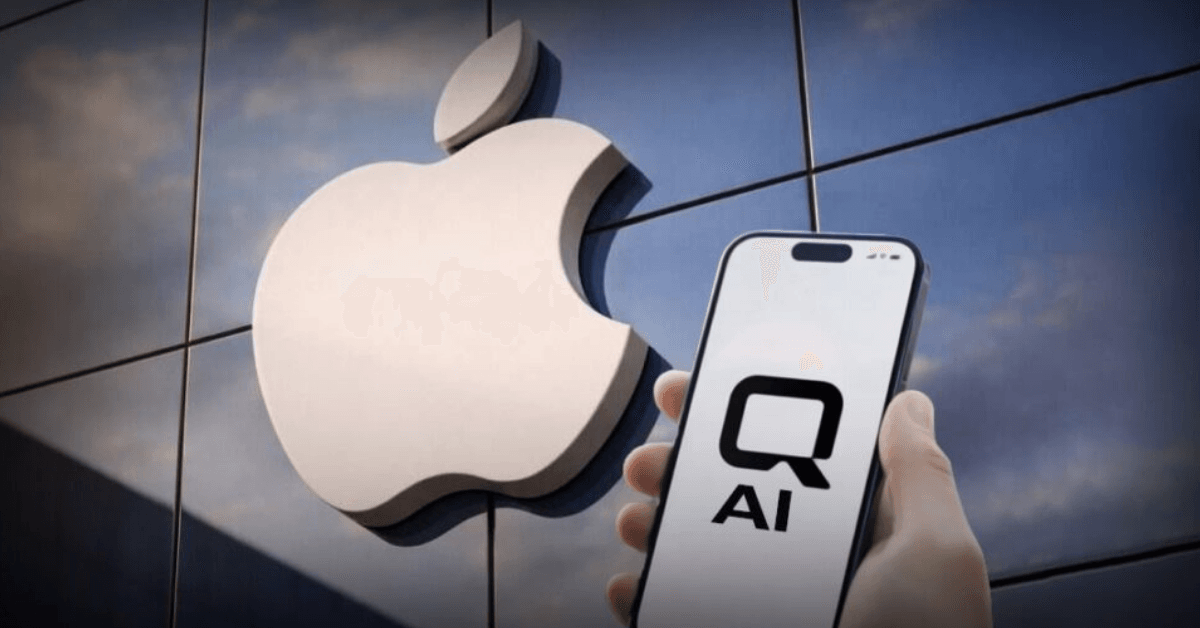
California: Apple confirmed Thursday it has acquired Q.ai, an Israeli artificial intelligence startup specializing in silent speech technology, for close to two billion dollars in its second-largest acquisition ever.

The deal brings Q.ai’s pioneering audio AI capabilities and its one-hundred-person team to Apple, including CEO Aviad Maizels and co-founders Yonatan Wexler and Avi Barliya. Founded in 2022 in Tel Aviv, Q.ai developed machine learning technology that interprets facial muscle movements to understand whispered or silent speech, potentially enabling users to communicate with Siri without audible words.

Patent filings show Q.ai’s systems analyze facial skin micromovements to detect mouthed or spoken words, identify speakers, and assess emotional states and vital signs. The technology could enhance Apple’s AirPods and Vision Pro headsets by enabling silent voice commands in noisy environments or situations requiring discretion.

This marks the second time Maizels has sold a company to Apple. In 2013, Apple acquired his previous startup PrimeSense for three-hundred-fifty million dollars. That acquisition provided the three-dimensional sensing technology that enabled Face ID on iPhones.

The transaction trails only Apple’s three-billion-dollar purchase of Beats Electronics in 2014. Q.ai was backed by Kleiner Perkins, Gradient Ventures, Spark Capital, and Exor. The startup raised twenty-four-point-five million dollars in seed funding in January 2023.

The acquisition comes hours before Apple’s quarterly earnings report, with analysts forecasting one-hundred-thirty-eight billion dollars in revenue and the strongest iPhone sales growth in four years. The deal underscores Apple’s strategy of securing AI leadership through targeted acquisitions as competition intensifies with Meta and Google in wearable AI assistants.

Tesla Invests $2bn in Musk’s xAI, Ends Model S, Model X Production

AUSTIN, Texas: Tesla disclosed a $2 billion investment in xAI, the artificial intelligence startup founded by CEO Elon Musk, as part of the company’s pivot from electric vehicle maker to AI and robotics powerhouse. The announcement came during Tesla’s fourth-quarter earnings call on Wednesday, alongside plans to discontinue the Model S sedan and Model X SUV to free up factory space for Optimus humanoid robot production.

The investment marks Tesla’s most direct capital commitment to a Musk-controlled AI venture outside its corporate structure. Tesla executives emphasized the move would build efficiencies by leveraging xAI’s capabilities rather than duplicating AI development internally. The company already uses xAI’s Grok chatbot in some vehicles and supplies Megapack batteries to power xAI data centers.

The deal deepens financial ties between Musk’s companies at a moment when AI spending is accelerating across Big Tech. Tesla contributed to xAI’s $20 billion Series E funding round, with other investors including Nvidia, Cisco, Valor Equity Partners, Fidelity, and Qatar Investment Authority. The investment closes in the first quarter of 2026.

Tesla’s capital expenditures will exceed $20 billion in 2026, more than double the $8.5 billion spent in 2025, according to CFO Vaibhav Taneja. The spending will support production of Cybercab robotaxis, Semi trucks, Roadster sports cars, and Optimus robots. By repurposing the Fremont, California factory, Tesla aims to build 1 million Optimus robots annually.

The announcement came as Tesla reported fourth-quarter revenue of $24.9 billion, beating Wall Street estimates of $24.8 billion despite a 3% year-over-year decline. Adjusted earnings per share of 50 cents topped expectations of 45 cents. Automotive gross margin excluding regulatory credits reached 17.9%, up from 13.6% a year earlier and well above the 14.3% forecast.

Musk noted the investment addresses shareholder requests, stating many investors had asked Tesla to support xAI. However, Tesla shareholders voted against a similar measure in November 2025, though abstentions counted as opposing votes under company bylaws. Shares rose 1.8% in after-hours trading Wednesday after initially jumping 3.5%.

The move underscores Tesla’s transformation as it loses ground to Chinese EV rivals. Musk changed Tesla’s mission from accelerating the world’s transition to sustainable energy to building a world of amazing abundance, emphasizing AI’s role in delivering universal high income and better medical care. Analysts note Tesla is asking investors to underwrite potential revenue from self-driving software and robotaxi services before auto sales recover.


Anthropic Doubles Funding Target to $20 Billion at $350 Billion Valuation

SAN FRANCISCO: Anthropic, the artificial intelligence startup behind Claude chatbot, has doubled its fundraising target to twenty billion dollars following overwhelming investor demand, according to reports Tuesday. The round values the San Francisco company at three hundred fifty billion dollars, nearly doubling its one hundred eighty-three billion dollar valuation from a September raise just four months earlier.

The Claude maker originally sought ten billion dollars but expanded the target after investor interest surged, the Financial Times reported. Coatue Management and Singapore sovereign wealth fund GIC are leading the financing, with Sequoia Capital also participating. The round closed between ten and fifteen billion dollars and could rise further if Microsoft and Nvidia contribute their previously announced investments.

Anthropic CEO Dario Amodei told a leading news channel earlier this month the company generated close to ten billion dollars in revenue last year, fueled partly by Claude Code’s explosive popularity. The coding automation tool has won developer loyalty as companies race to deploy AI across software development workflows.

The startup raised thirteen billion dollars last September and secured separate strategic commitments of up to fifteen billion dollars combined from Nvidia and Microsoft.

The massive valuation surge reflects intensifying competition in foundational AI, where Anthropic battles OpenAI, Google, and others for market leadership. OpenAI separately pursues up to one hundred billion dollars at valuations approaching eight hundred thirty billion dollars. Industry observers note AI startups collectively raised a record one hundred fifty billion dollars in twenty twenty-five, surpassing twenty twenty-one’s previous peak of ninety-two billion dollars.

Anthropic has hired lawyers as it prepares for a potential initial public offering that could arrive later this year. Founded in twenty twenty-one by former OpenAI executives including Dario Amodei, the company launched three new Claude models late last year spanning Sonnet, Haiku, and Opus variants. Amazon, an existing investor, has committed billions to the startup as tech giants jostle to secure access to cutting-edge AI capabilities.