
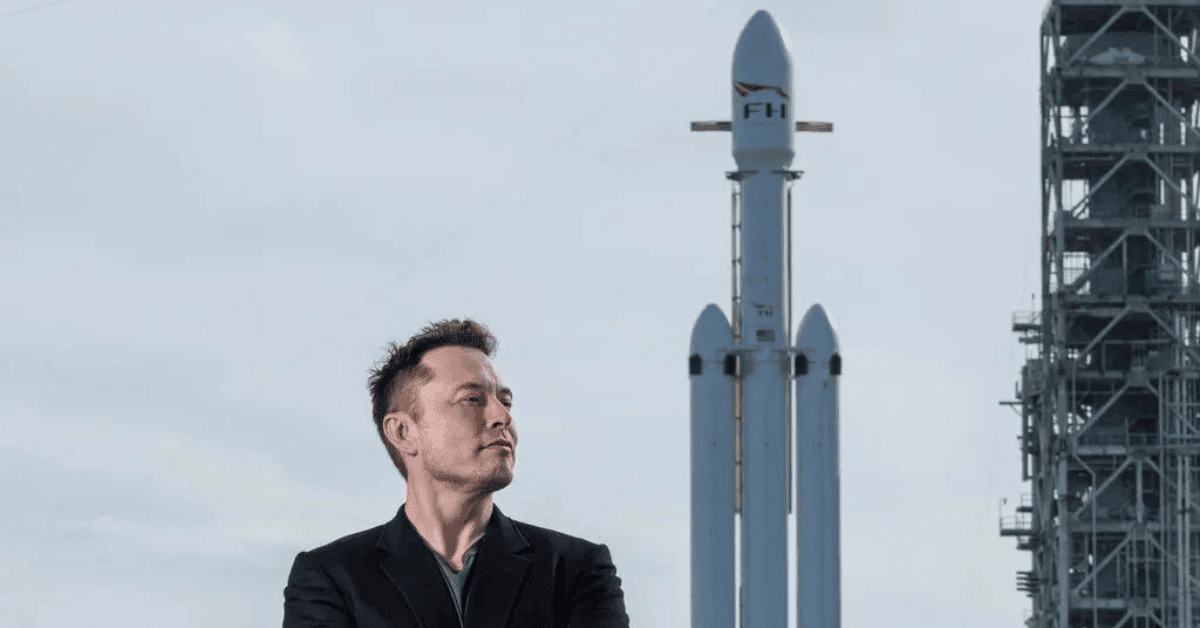
HAWTHORNE: SpaceX confirmed that it has acquired Elon Musk’s artificial intelligence startup xAI, creating the world’s most valuable private company at a combined valuation of $1.25 trillion and setting the stage for what could become one of the largest IPOs in history.
Musk announced the deal via a memo posted to SpaceX’s website, framing it as a vertically integrated combination of rockets, Starlink satellite internet, the Grok AI chatbot, and social media platform X.
The central thesis centres on moving AI compute into orbit. SpaceX filed with the FCC on January 31 seeking authorization to launch up to one million solar-powered satellites functioning as orbital data centers, projecting 100 gigawatts of annual AI compute capacity.
The merger values SpaceX at $1 trillion and xAI at roughly $250 billion. Bloomberg reported the combined entity could price its IPO at approximately $527 per share, potentially raising $50 billion, which would rank among the largest public market debuts globally.
Nevada public records confirm the deal closed February 2, with Space Exploration Technologies Corp. listed as managing member of X.AI Holdings.
The financials tell a complicated story. SpaceX generated an estimated $8 billion in profit on $15-16 billion revenue in 2025, but xAI is reportedly burning approximately $1 billion monthly while racing to scale against OpenAI and Google.
Tesla’s earlier $2B investment in xAI is tightening the links across Musk’s growing business empire.
Regulatory scrutiny looms. SpaceX holds tens of billions in federal defense contracts with the Pentagon and NASA, while xAI’s most recent funding round included investments from Qatar Investment Authority and Abu Dhabi’s MGX foreign sovereign wealth funds likely to trigger CFIUS review.
Executives at both companies declined to comment on regulatory implications. The FTC and SEC are also reportedly monitoring potential conflicts of interest given cross-holdings across Musk’s portfolio.
Analysts remain divided. Quilty Space’s Kimberly Siversen Burke called orbital data centers “speculative” in the near term, citing unproven economics, aging chips, and latency challenges. Others see the merger as valuation scaffolding for the IPO, positioning space-based compute as a solution to terrestrial AI infrastructure limits.

 Previous


