
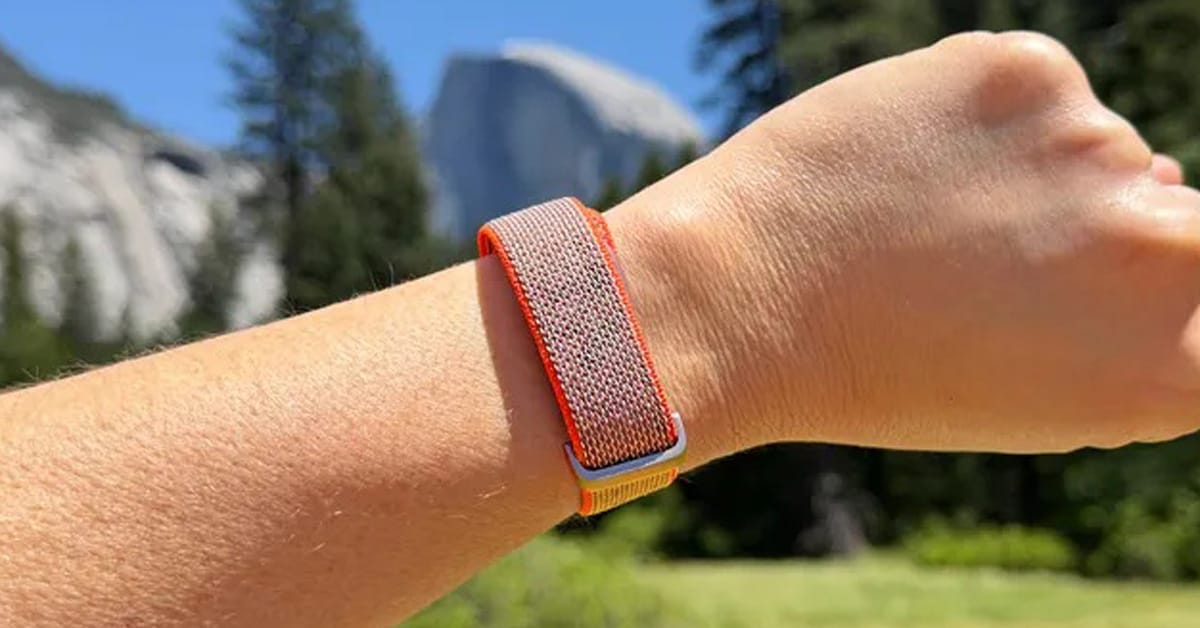
MOUNTAIN VIEW, Calif.: Google has introduced the Fitbit Air, its most compact and budget-friendly fitness tracker to date. Unlike traditional wearables, the device ditches the screen entirely, shifting its focus toward AI-driven health coaching.
The slim, pebble-shaped tracker sits quietly on the wrist and continuously monitors heart rate, sleep stages, blood oxygen levels, and heart rhythm. With no display or notifications to distract, it keeps things simple and minimal.
Rather than showing data on the wrist, all health insights are sent directly to the Google Health app on the user’s paired smartphone, where AI coaching guides users based on their personal health data.
Fitbit Air pre-orders open at $99.99 with the device shipping May 26. Each unit includes a three-month trial of Google Health Premium at no cost. The bundle unlocks the Google Health Coach, the AI engine behind the product.
The coach turns raw sensor data into personalized guidance and recommendations. Users photograph gym equipment or a whiteboard routine for automatic workout logging. The system detects common activities on its own and improves over time.
Battery life reaches up to a week on a single charge. Fast charging delivers a full day of power in just five minutes. The pebble pops out for quick band swaps across multiple style options.
The launch pushes Google deeper into the screenless tracker category for the first time. Whoop pioneered the subscription-based form factor with athletes over several years. Google now brings mainstream brand power and a lower entry price to the segment.
A Stephen Curry special edition arrives May 26 priced at $129.99. The version features a water-resistant coating and racing-stripe interior print for airflow. Accessory bands start at $34.99 across performance, active, and elevated styles.
Fitbit Air works with both Android and iOS devices through the Google Health app. The device is not intended for medical diagnosis despite its rhythm monitoring features. Google positions it as a 24/7 wellness partner rather than a clinical tool.
The release intensifies competition with Apple, Samsung, and Whoop across wearables.

 Previous


