
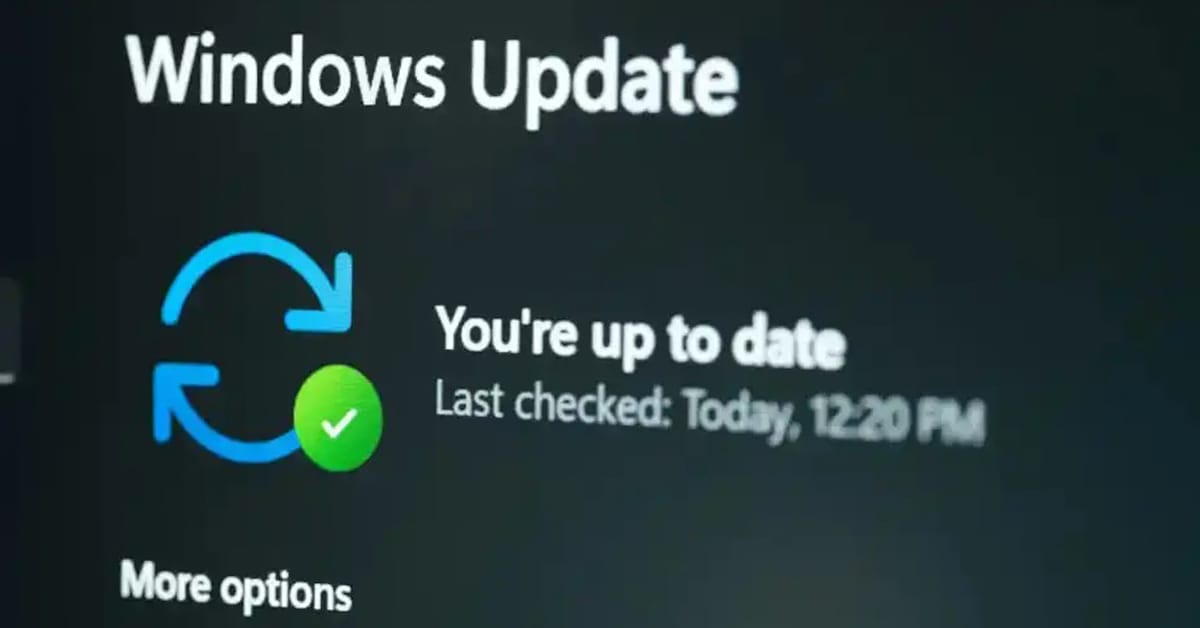
Washington: Microsoft is making changes to how Windows updates work, aiming to reduce frequent shutdowns and unexpected restarts that have frustrated users for years. The company says the updates are designed to give people more control and make the update process less disruptive.
According to Microsoft, the changes are based on thousands of user complaints about forced updates interrupting work. Many users have said that Windows often installs updates at inconvenient times, such as during shutdown or restart.
One of the biggest changes is in how shutdown and restart options work. Users will now be able to shut down or restart their PC without being forced to install updates immediately. Update‑related actions such as “Update and shut down” will be shown separately. This means that clicking “Shut down” will actually shut down the system, instead of starting a long update process. Users will still be able to install updates when they choose.
Microsoft is also expanding its update pause feature. Windows users can now pause updates for up to 35 days using a calendar‑based option. Once the pause expires, it can be extended again for another 35 days, with no fixed limit on how many times this can be done.
Read more: Google Integrates AI More Deeply into Workspace
This change is meant to help users avoid updates during busy periods like exams, work deadlines, or travel. It gives greater flexibility than older pause options that were more limited.
Another update affects the initial setup process on new Windows devices. During setup, users can now skip updates and go straight to the desktop, choosing to install updates later. Microsoft notes that skipping updates means some features and security fixes will be delayed.
Read more: WhatsApp to End Support for Older Android Phones in 2026
Microsoft is also offering clearer information about updates. Driver updates will now show categories such as audio, display, or battery, making it easier for users to understand what is being installed.
These improvements are mainly being rolled out for Windows 11 users. Microsoft says the goal is to maintain security while reducing unnecessary interruptions.
In addition, Microsoft is working toward reducing the number of restarts required each month. Different update types, such as drivers, system components, and other fixes, will increasingly be bundled together, leading to fewer reboot cycles.
Read more: Chrome Gets Vertical Tabs After Years of User Requests
The company says that security will remain a priority and that updates cannot be postponed forever. However, users will have significantly more control over when those updates happen.
Microsoft says these changes are already being tested with Windows Insiders and will roll out more widely over the coming months.

 Previous


